save $50
WhistlePig Whiskey
Brand Snapshot
About the distiller
THE WORLD'S MOST AWARDED RYE PRODUCER
WhistlePig is an American rye whiskey producer based on a 500-acre farm in Shoreham, Vermont. It is not a bourbon distillery. It does not pretend to be. What it is is one of the most serious rye whiskey operations in the country — built on a former dairy farm, grown from sourced Canadian barrels, and run today with estate-grown grain and a fully functioning on-site distillery.
The name is not well known among casual drinkers. Among whiskey enthusiasts, it is a different story. The Boss Hog series is one of the most anticipated annual releases in American whiskey. The 10 Year is a benchmark. The 15 Year is one of the best straight ryes money can buy. And the PiggyBack, the most approachable thing in the range, is what you reach for when you want a serious rye without the serious price tag.
If rye is your category, this brand demands your attention.
Master Distillers And Key People
The people who built this brand and the people who run it now:
- Dave Pickerell, founding Master Distiller. One of the most influential figures in the American whiskey revival, he was previously Master Distiller at Maker’s Mark for over a decade. He sourced WhistlePig’s founding stock, designed the original pot still, and shaped the brand’s approach to blending. He died in 2018. The PiggyBack expression — his last project — carries a tribute to him on the bottle. His contribution to what American rye became in the 2010s is difficult to overstate.
- Emily Harrison, lead distiller. Currently overseeing production at the Vermont distillery, Harrison is responsible for the on-site whiskey that increasingly defines WhistlePig’s own house character.
- Meghan Ireland, chief blender. Ireland manages the blending side, including the integration of estate-distilled and sourced stock that still characterises the aged expressions.
History
The story starts in 2007, when entrepreneur Raj Bhakta purchased a 150-year-old working dairy farm in Shoreham, Vermont. The ambition was clear: build a world-class rye whiskey brand in an unlikely place and do it properly. The problem was time. Rye takes years to age, and WhistlePig had no stock.
The solution was to source. Dave Pickerell — former Master Distiller at Maker’s Mark and one of the most respected figures in American whiskey — was brought in to find the right liquid. He found it at Alberta Distillers in Canada, which had a deep reserve of aged rye whiskey. WhistlePig bought it, bottled it in Vermont, and launched its 10 Year Straight Rye in 2010. It immediately drew serious attention from the whiskey press.
What followed was a slow, deliberate build toward becoming a fully self-sufficient producer. In 2015, the on-site distillery came online. WhistlePig started growing its own rye, now over 200 acres of it on the farm itself. In 2017, it released FarmStock, the first expression to blend its own Vermont-distilled whiskey with the aged Canadian stock, marking a genuine transition point.
Bhakta sold his shares and exited the company fully in 2019. Dave Pickerell passed away in 2018. The business moved forward under new leadership, with the Vermont farm at its centre and the sourced Canadian barrels still ageing in the background. Today the distillery is run by lead distiller Emily Harrison and chief blender Meghan Ireland.
What Makes WhistlePig Whiskey Different
A few things genuinely set WhistlePig apart:
- They made Vermont a serious whiskey address. That is nothing. Before WhistlePig, Vermont had no profile in American whiskey whatsoever. Now it has one.
- Rye is a harder grain to work with than corn. It is more volatile to ferment, more demanding to distil, and more assertive in the barrel. WhistlePig deliberately chose it and built its entire identity around it. That is a considered decision, not a default.
- The Boss Hog series — annual, limited, cask strength, usually 12 to 15 years old with unusual finishing casks — has become one of the most credible collector releases in American whiskey. Each edition has a genuine concept behind it, not just a fancy bottle.
- They were honest about sourcing from the start. In an era when many brands obscured their NDP origins, WhistlePig was relatively open about the Alberta connection. That transparency built trust.
- The estate-to-bottle story is real. Growing your own grain, drawing your own water, distilling and ageing on the same 500-acre plot is not typical for a brand operating at this price point.
How They Make It
WhistlePig’s setup is genuinely unusual in American whiskey. A few things worth knowing:
- The distillery grows its own rye on the farm — over 200 acres of it — giving it a seed-to-bottle story that very few American whiskey producers can match at this scale.
- All water used in distillation and proofing is drawn from the farm’s deep well and filtered naturally through Vermont bedrock. The terroir argument is not marketing fiction here; the water source is genuinely distinctive.
- Rye is notoriously difficult to distill. It has a high beta-glucan content that makes it sticky and prone to stuck fermentations. The fact that WhistlePig produces consistently clean, well-made rye at volume is a technical achievement, not an accident.
- The core range ages on-site in Vermont. The climate — warm summers, cold winters — drives more active barrel interaction than Kentucky, producing whiskeys with a distinctive character that sits somewhere between American and Canadian in profile.
- The older expressions in the range still incorporate aged Canadian rye sourced from Alberta Distillers, blended with Vermont-distilled whiskey. WhistlePig has always been transparent about this. It is not a weakness in the story; it is part of it.
The short version: estate rye, Vermont well water, difficult grain handled well, and a blend of own-distilled and sourced Canadian stock in the older expressions.
The Range
The range is more focused than most Kentucky producers, but every tier has something worth knowing about:
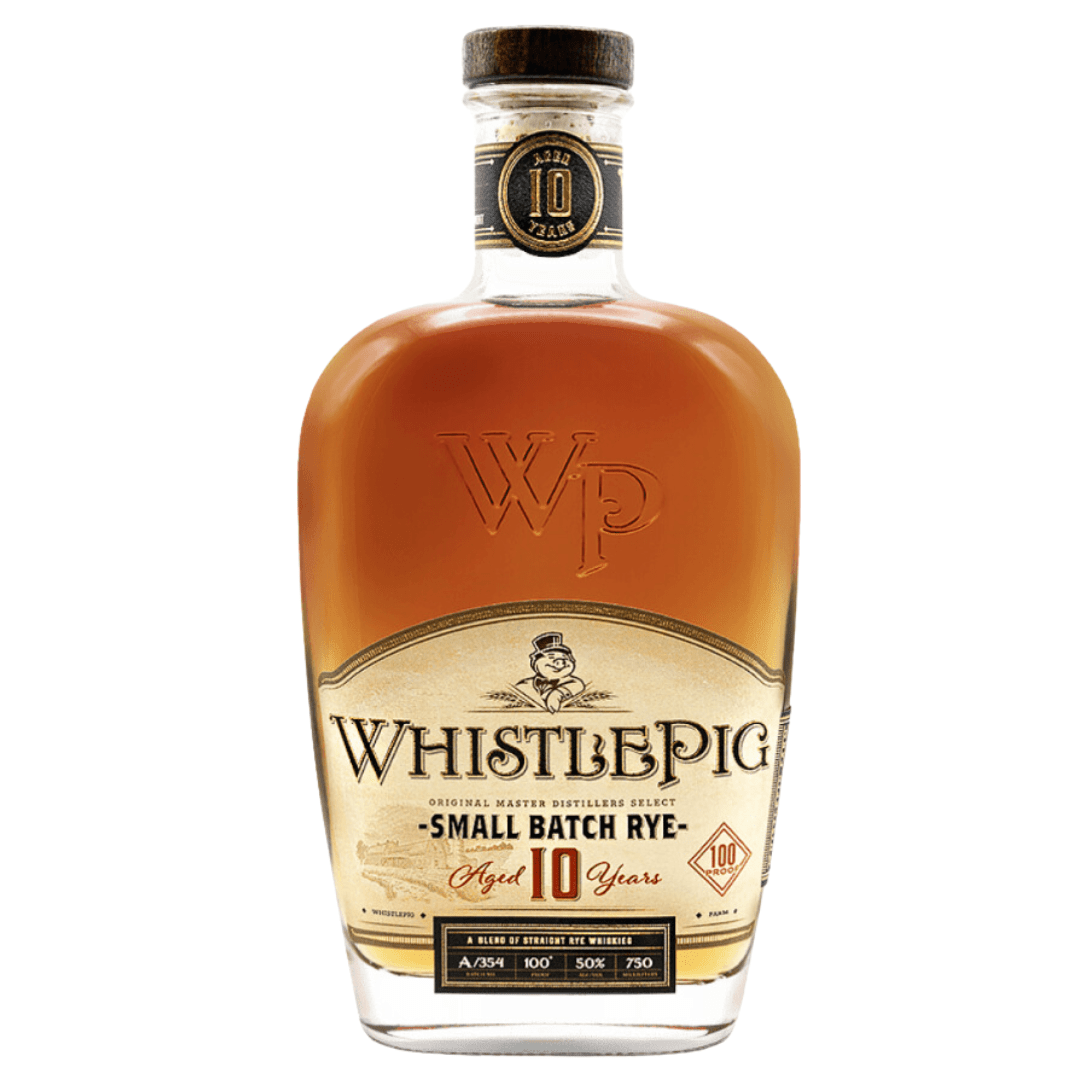
- WhistlePig 10 Year. The flagship. 100 proof, 100% rye, aged at least a decade. This is the benchmark expression — the one the brand was built on and the one that established WhistlePig’s reputation. Characteristically spicy, full-bodied, and very long on the finish.
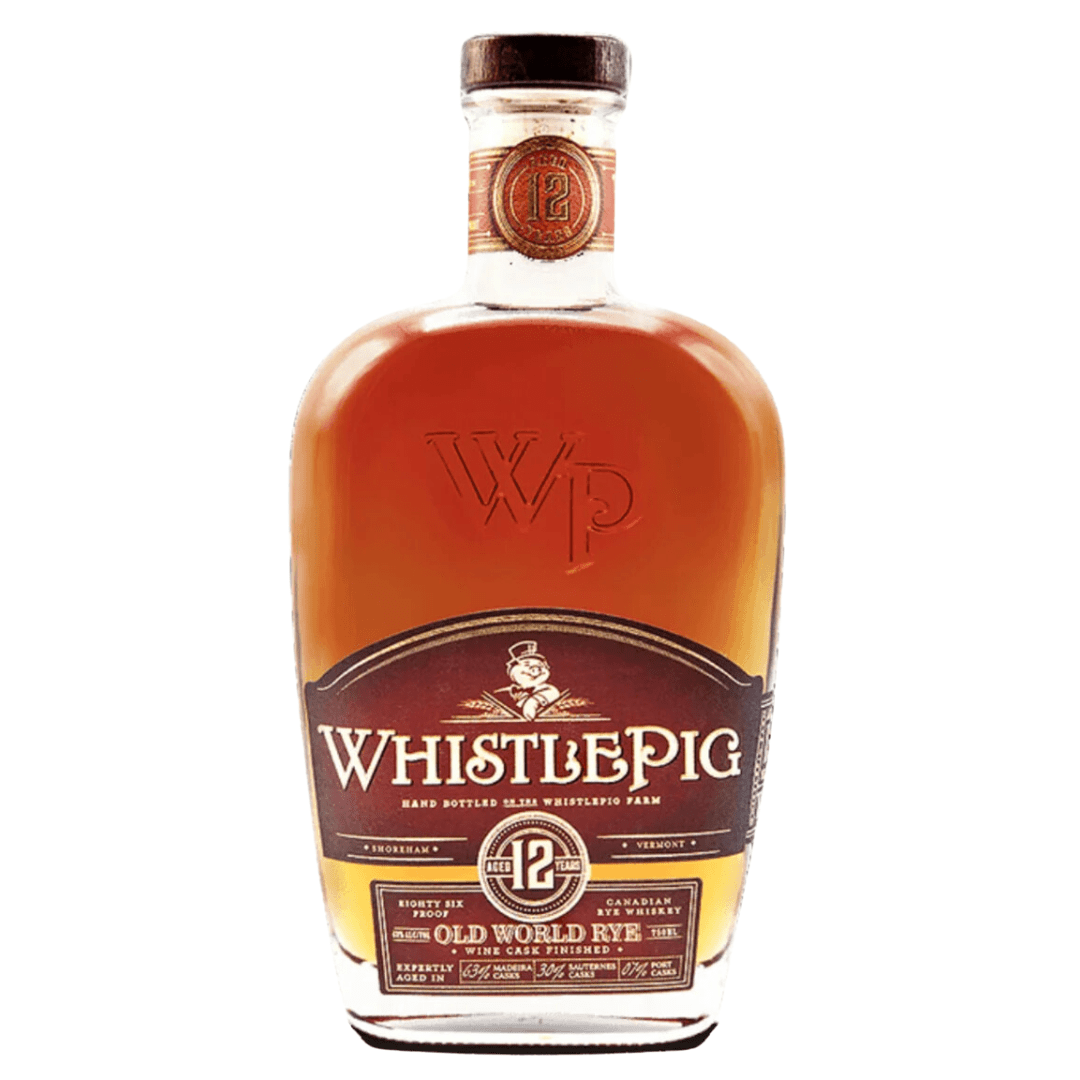
- WhistlePig 12 Year Old World. The 10 Year base finished in a combination of Madeira (63%), Sauternes (30%) and Port (7%) casks. Bottled at 86 proof. The wine finish works — it adds a dried fruit and toffee dimension without overwhelming the rye spice underneath. One of the better finished American whiskeys available.
- WhistlePig 15 Year. The top of the permanent range. Aged 15 years and bottled at 92 proof, this is serious, structured rye with genuine depth. Consistently one of the highest-rated rye whiskeys on the market.
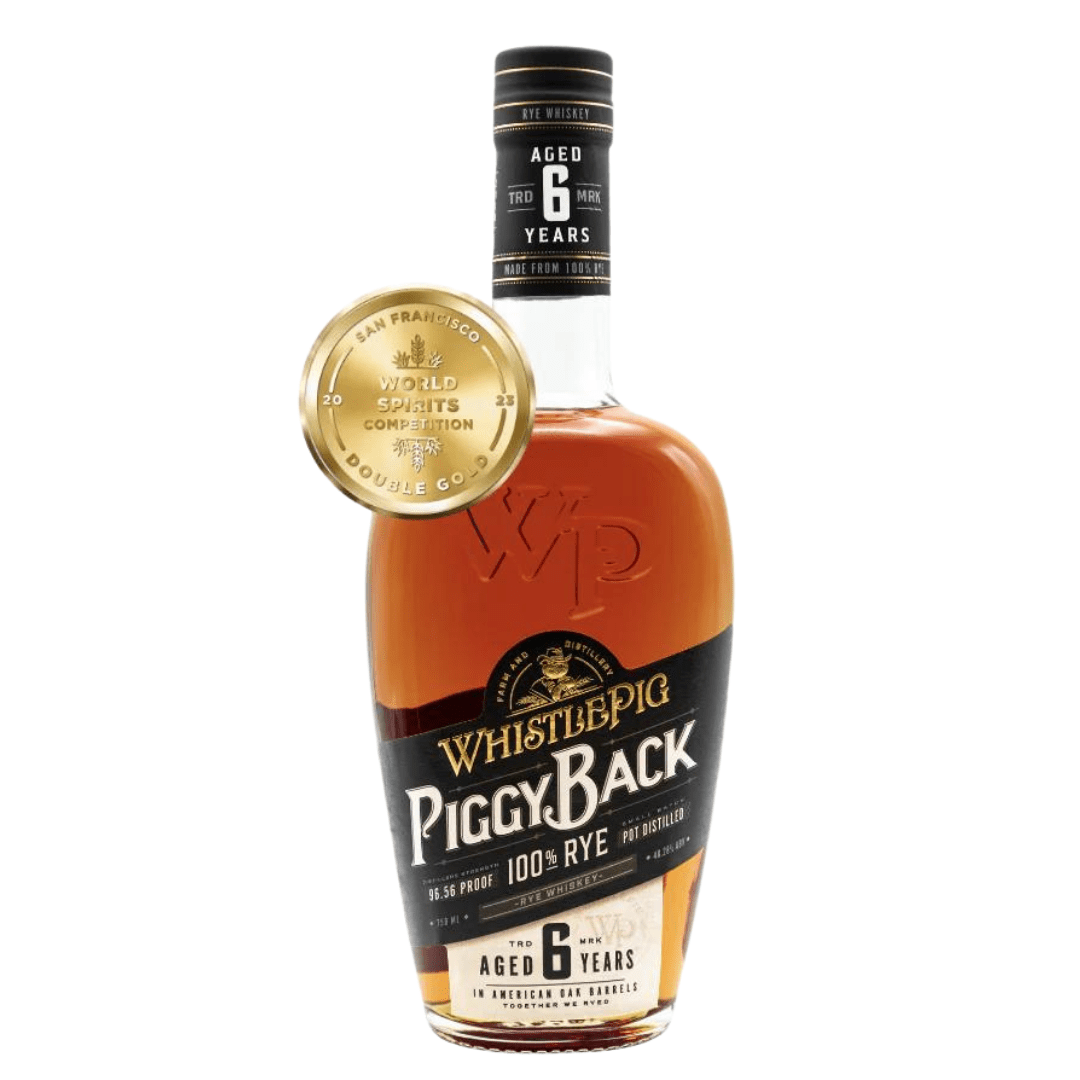
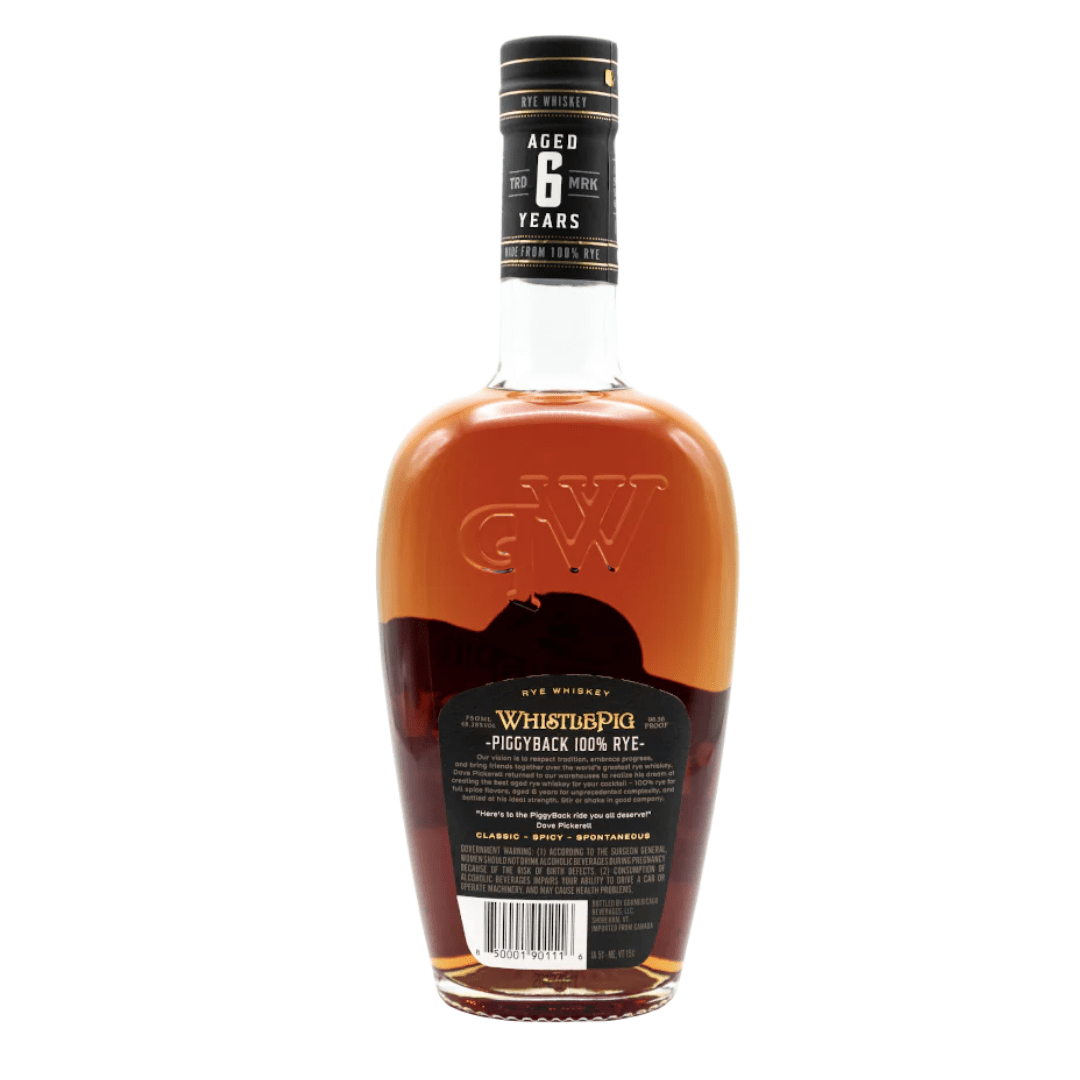
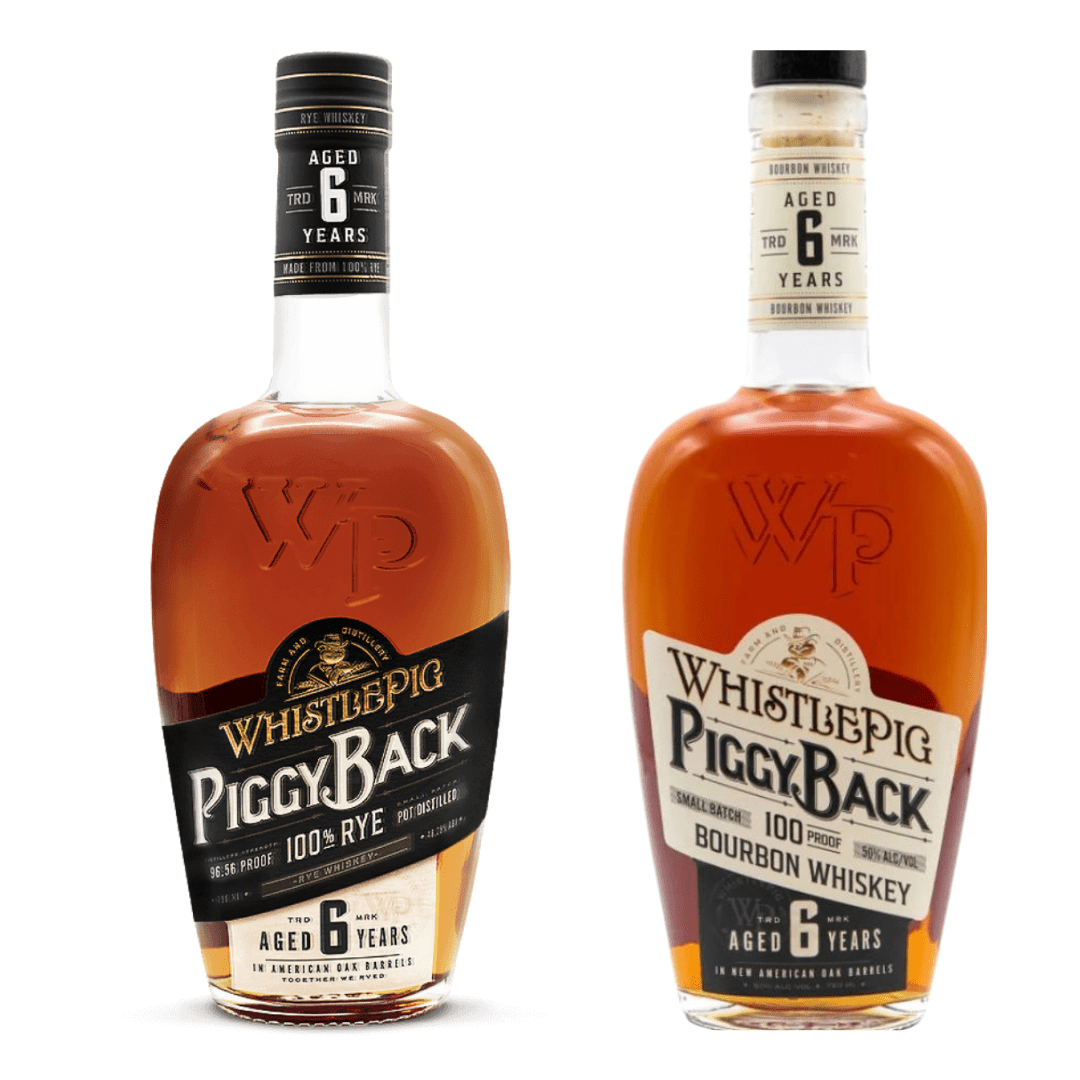
- PiggyBack Rye. Six years old, 100% rye, 96.56 proof. Designed for bars — cocktail-friendly, correctly priced, and genuinely good on its own. Dave Pickerell’s last project. His Stetson hat is on the bottle.
- FarmStock Rye. A blend of 6-year Canadian, 10-year Canadian, and WhistlePig’s own Vermont-distilled rye. First released in 2017, it was the first expression to feature whiskey made on the farm. An interesting mid-range release for anyone who wants to understand the transition the brand has been going through.
- Boss Hog. Annual ultra-limited single barrel, barrel strength, typically 12 to 16 years old with unusual finishing casks and a specific concept per edition. Previous editions have been finished in pulque curado de cacao barrels, Japanese Umeshu casks, and Philippine rum barrels. Each one is different, and each one is worth paying attention to. Collector territory, but not pointlessly so.