save $50
Popular categories
Best sellers
Woodford Reserve is the bottle you'll see poured at the Kentucky Derby, and it's made a little differently to most bourbons out there. Triple-distilled in copper pot stills, on a site that's been making whiskey since 1812. Here's the rundown on the distillery, the brand, and how they actually make it.
Woodford Reserve is Brown-Forman's flagship bourbon, made at the oldest continuously operating distilling site in Kentucky, right on Glenn's Creek near Versailles. It sits alongside Jack Daniel's under the same parent company, but it's built to be a different drink entirely: a proper sipping bourbon.
It's made today under Master Distiller Chris Morris, who's been the driving force behind many of the brand's limited releases and innovations over the years. Woodford Reserve is also the official bourbon of the Kentucky Derby, making it about as tied to bourbon culture as a brand can get.
It's not the biggest name on the shelf by volume, but it's built a reputation as one of the more considered, hands-on bourbons out there, even under a large parent company.
The site goes back to 1812, when farmer-distiller Elijah Pepper set up shop on Glenn's Creek. After he died in 1831, his son Oscar Pepper took over and hired Dr. James Crow, a Scottish physician and chemist credited with pioneering the sour mash process, a technique still used across the entire bourbon industry today.
In 1878, the distillery was sold to Leopold Labrot and James Graham, who ran it as the Old Oscar Pepper Distillery under the Labrot & Graham name. Eventually the site went quiet.
Brown-Forman bought the historic property in 1994 and spent two years and $7.4 million restoring it. Woodford Reserve bourbon launched on 17 October 1996, taking its name from Woodford County rather than the old Labrot & Graham name. Since then it's picked up a serious run of awards and become one of the most recognised premium bourbons in the world.
Most American bourbon runs through a column still. Woodford Reserve triple-distils in three copper pot stills instead, some of the tallest pot stills in the world, imported from Scotland. It's a slower, more hands-on method that adds considerably to the final flavour.
Woodford Reserve builds its whole process around five things: water, grain, fermentation, distillation, and maturation. Every step gets the same level of attention, rather than leaning on just one part of the process.
Most bourbon ferments for around three days. Woodford Reserve runs it out to six, using their own strain of yeast to build up more fruity character before it ever hits the still.
This is the same ground where Dr. James Crow helped pioneer sour mash whiskey-making back in the 1830s. Not many distilleries can claim a direct link to a process the whole industry still relies on.
Woodford Reserve runs a high-rye bourbon mash bill of 72% corn, 18% rye, and 10% malted barley — more rye than most bourbons, which is where a lot of that spice comes from.
All of it comes from Glenn's Creek, filtered naturally through limestone, which strips out the iron and adds minerals that shape the whiskey from the very first step.
Ground grain is mixed with limestone water and fermented for six days using Woodford's own yeast strain — double the usual time, built to bring out extra fruit character.
The fermented mash runs through three copper pot stills in sequence — the first takes it to around 20% alcohol, the second to about 55%, and the third up to roughly 78%. Slower and more deliberate than a standard column still run.
The spirit is cut down with more limestone water and goes into new charred oak barrels at 110 proof, then rests on-site in Versailles, Kentucky. Some releases, like Double Oaked, get a second stint in a fresh, heavily toasted barrel for extra flavour.
Once matured and approved, the whiskey is bottled right there at the historic Versailles distillery — on the same site this whole story started on back in 1812.
Woodford Reserve keeps a fairly tight core lineup, with limited releases for anyone who wants to dig deeper.
The flagship, and the one most people know. Rich fruit, spice, and vanilla, with a long, creamy finish. This is the benchmark bottle for the brand.
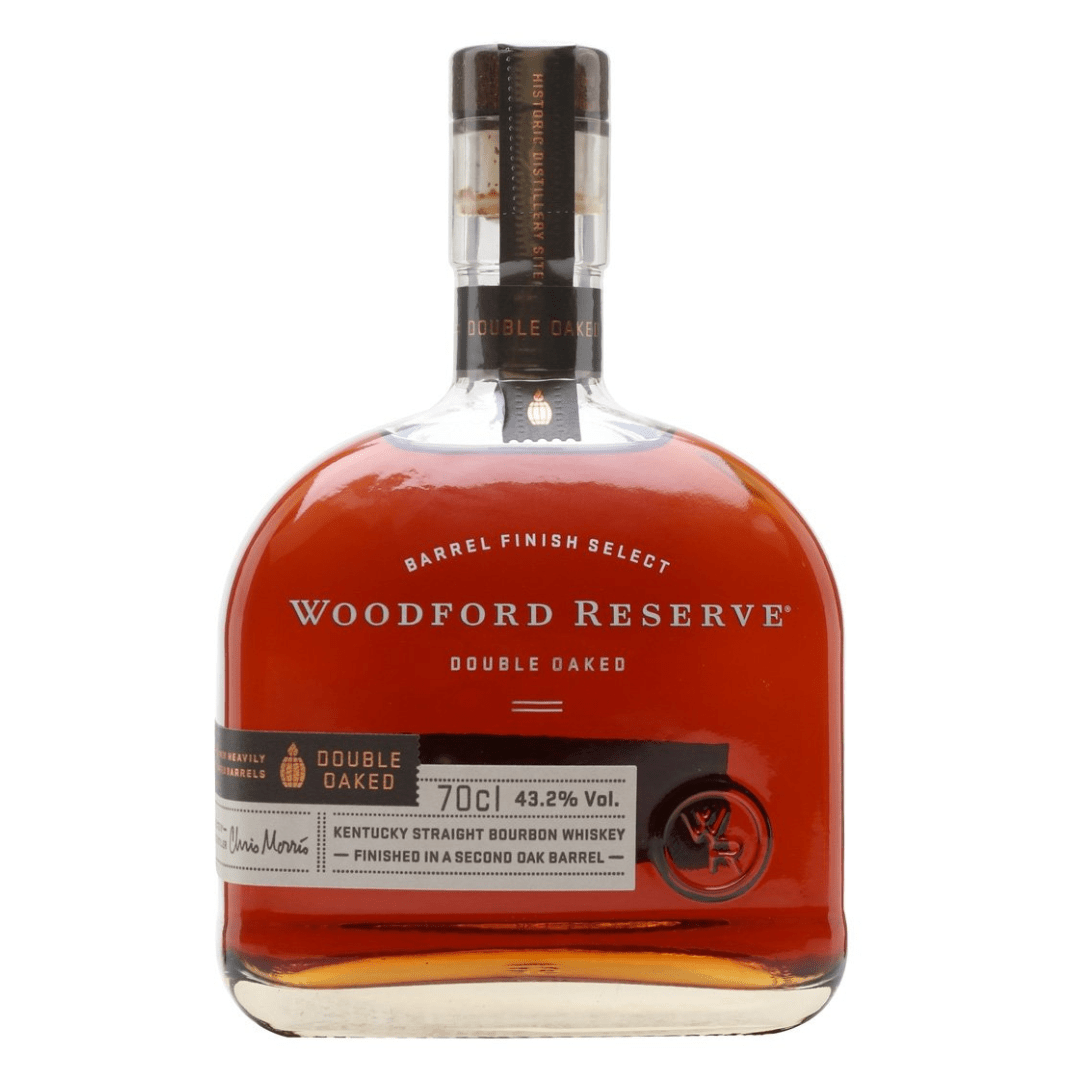
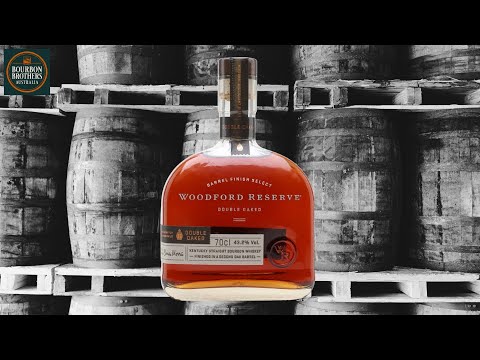
Takes the standard bourbon and finishes it a second time in a heavily toasted, new charred barrel. More chocolate, more honey, more vanilla. A bigger, richer pour than the original.
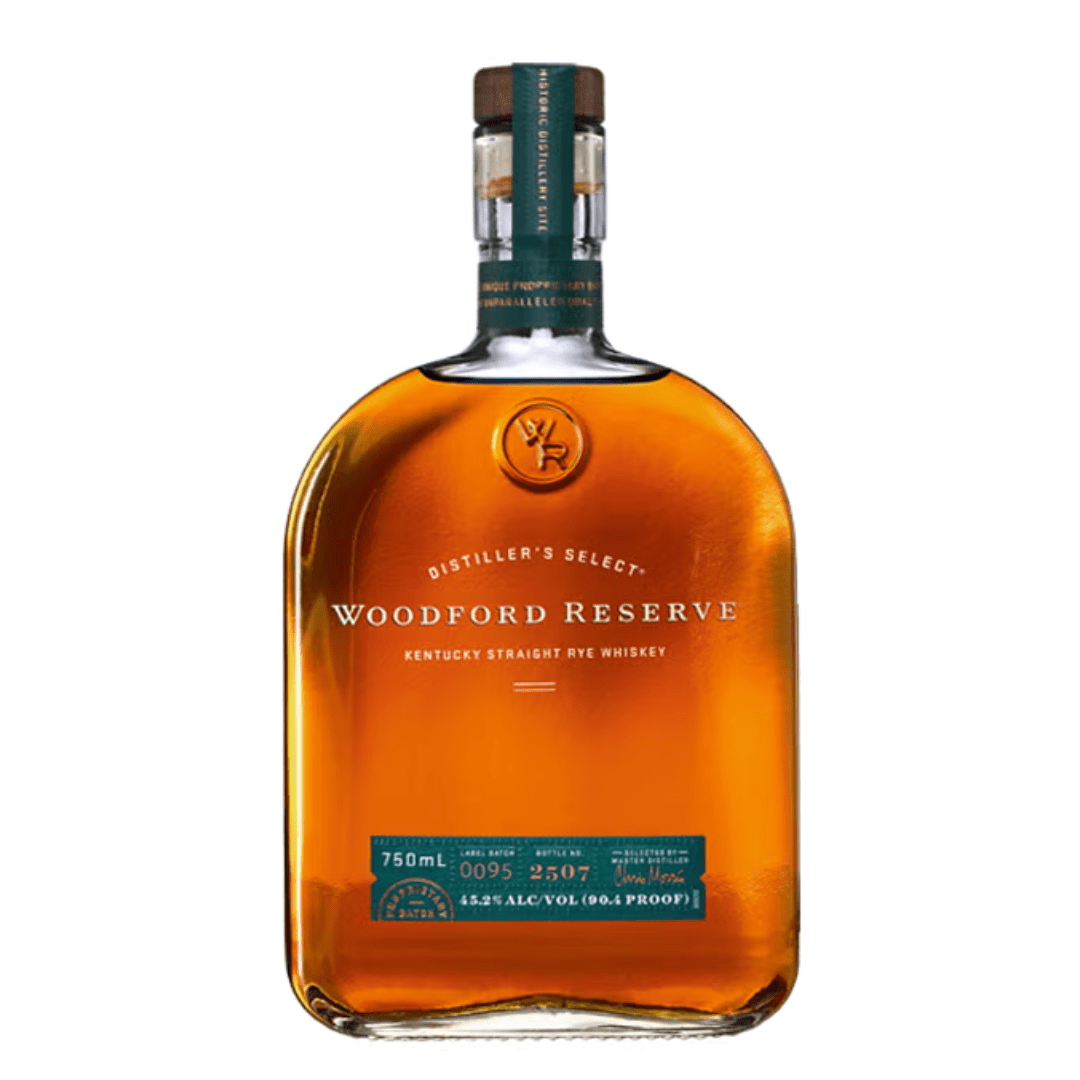
A straight rye whiskey, spicier and drier than the bourbon, built off the same high-rye approach the brand is known for.
Swaps in wheat for a softer, sweeter alternative to the core bourbon. A good option if you find the standard release a touch too spicy.
An annual release bottled straight from a batch of barrels at whatever proof it naturally landed at. No cutting it down with water. Bigger and bolder than the core range.
The yearly limited series where they get experimental: different grain bills, unusual cask finishes, and new production methods. Some of the more interesting bourbon releases going, if you can find one.