




save $50
The Lincoln County Process: What Makes Tennessee Whiskey Different
The Charcoal Mellowing That Defines Tennessee Whiskey
For bourbon enthusiasts, the Lincoln County Process is one of the most fascinating — and often misunderstood, techniques in American whiskey. It’s subtle, it’s traditional, and it fundamentally changes the spirit before it ever touches a barrel.
If you love bourbon for its depth and structure, understanding this process will deepen your appreciation of its close cousin: Tennessee whiskey.
What Is the Lincoln County Process?
|
 |
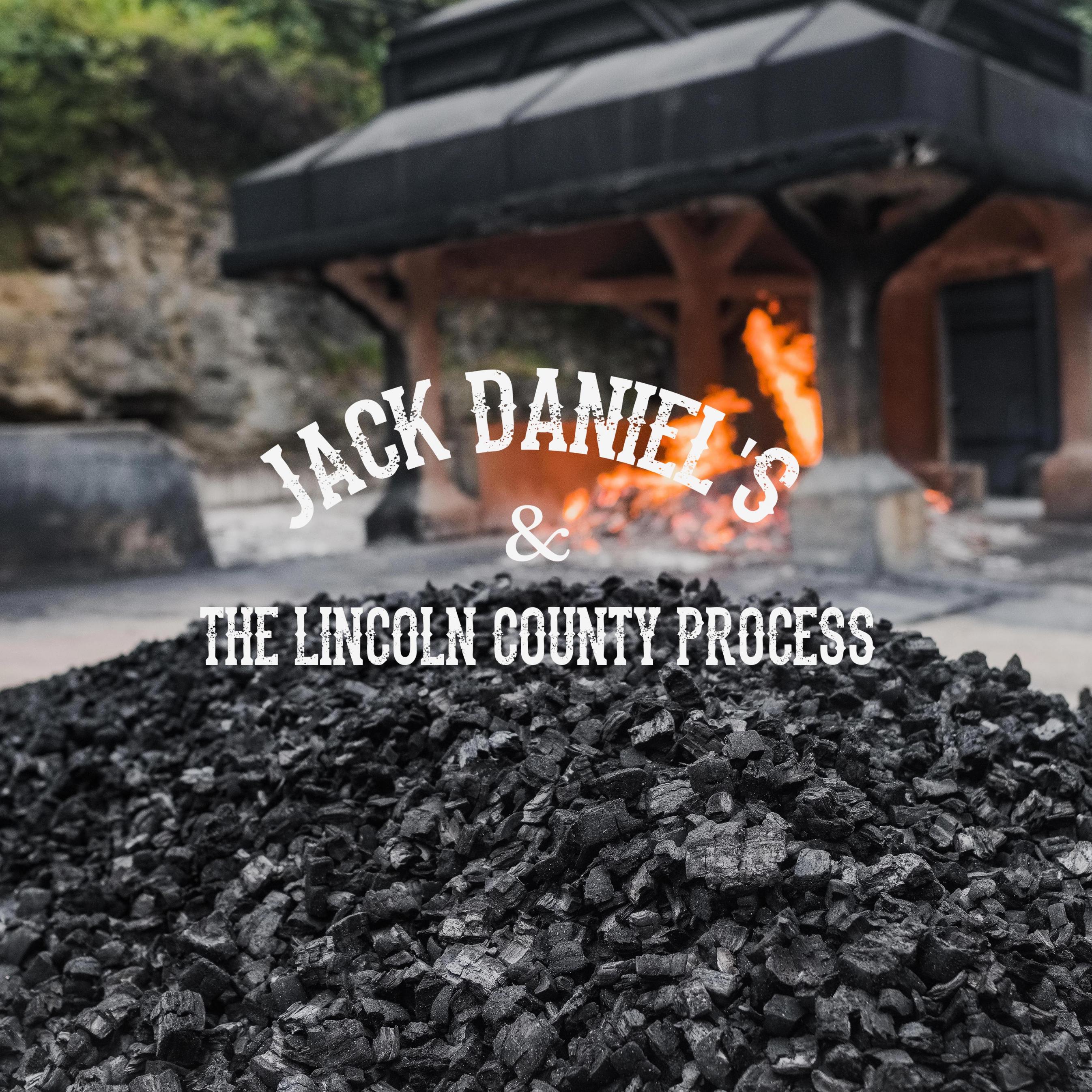
The Lincoln County Process is a filtration method in which newly distilled whiskey is slowly filtered through sugar maple charcoal before it enters the barrel for ageing.
This step happens before maturation, not after.
The charcoal is typically made by burning stacks of sugar maple wood, then reducing them to charcoal. The fresh spirit, often called “white dog”, is then slowly trickled through several feet of this charcoal.
The result? A smoother, rounder whiskey with refined edges and enhanced balance.
Why Does It Matter?
Charcoal mellowing does three important things:
- Removes harsher congeners from the distillate
- Softens the mouthfeel before barrel ageing
- Creates a more polished base spirit
Think of it as precision shaping. Bourbon relies heavily on barrel influence to smooth and sweeten the spirit. Tennessee whiskey, thanks to charcoal mellowing, enters the barrel already refined.
It’s not about stripping flavour, it’s about rounding it.
Is It Bourbon?
Legally, Tennessee whiskey meets all the requirements to be bourbon:
- Minimum 51% corn
- Distilled under 80% ABV
- Aged in new, charred American oak
- No additives
However, Tennessee law requires the additional charcoal mellowing step, which is why brands label their product as Tennessee Whiskey rather than bourbon.
Two of the most famous producers using this process are:
- Jack Daniel's
- George Dickel
- Nelson Brier Green
Both follow the Lincoln County Process, though each applies it slightly differently.
How Is It Different From Chill Filtration?
A common misconception is that charcoal mellowing is the same as chill filtration. It’s not. Chill filtration happens after ageing, typically before bottling, to remove fatty acids and prevent cloudiness.
The Lincoln County Process happens before ageing, shaping the spirit’s character at its earliest stage.
Does It Change the Flavour?
Yes — subtly but meaningfully.
Compared to traditional bourbon, Tennessee whiskey often shows:
- A softer entry
- Smoother mid-palate
- Slightly cleaner finish
- Polished sweetness
You may notice:
- Toasted marshmallow
- Light caramel
- Gentle banana
- Refined oak
It doesn’t make Tennessee whiskey “lighter”, it makes it more composed.
A Brief History
The process is believed to have originated in Lincoln County (see below) in Tennessee, in the early 19th century.

As distilling traditions evolved across Kentucky and Tennessee, this regional technique became a defining characteristic of Tennessee whiskey. Even though modern Lincoln County boundaries have shifted, the name remains a badge of heritage.
For Bourbon Enthusiasts: Why You Should Care
If you love bourbon for its structure and oak-driven complexity, Tennessee whiskey offers a fascinating contrast.
Where bourbon showcases barrel power, Tennessee whiskey emphasises refinement from the very beginning.
It’s not about better or worse — it’s about philosophy.
-
Bourbon: shaped primarily by barrel.
-
Tennessee whiskey: shaped by charcoal and barrel.
Understanding the Lincoln County Process gives you a sharper palate. It allows you to taste the difference between pre-barrel and post-barrel influence — something most drinkers never consciously consider.
Final Pour
The Lincoln County Process is not marketing — it’s craftsmanship.
It’s slow. It’s traditional. And it’s one of the few production steps in American whiskey that truly changes the spirit before time and oak take over.
For enthusiasts who enjoy the art of drinking, this is where nuance begins.